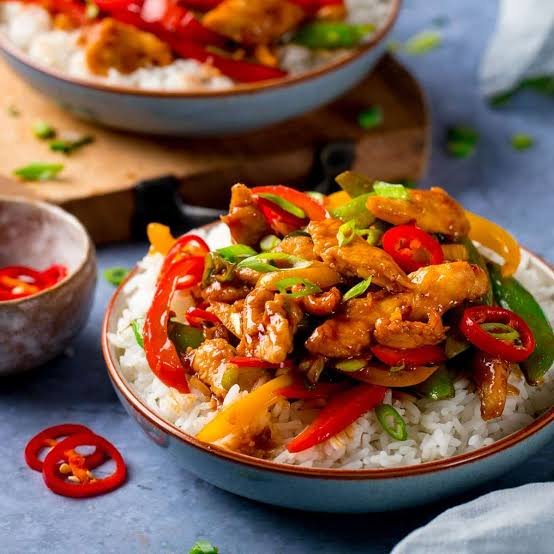
Prep Time: 15 minutes Serving Size: 4 servings Cooking Time: 10 minutes Difficulty: Easy Total Time: 25 minutes
There is nothing quite like the speed and flavor of a homemade chicken stir fry. It hits the spot when you need a quick dinner but want something fresh and healthy. This recipe is your new go-to for a weeknight meal that tastes like takeout but is actually good for you.
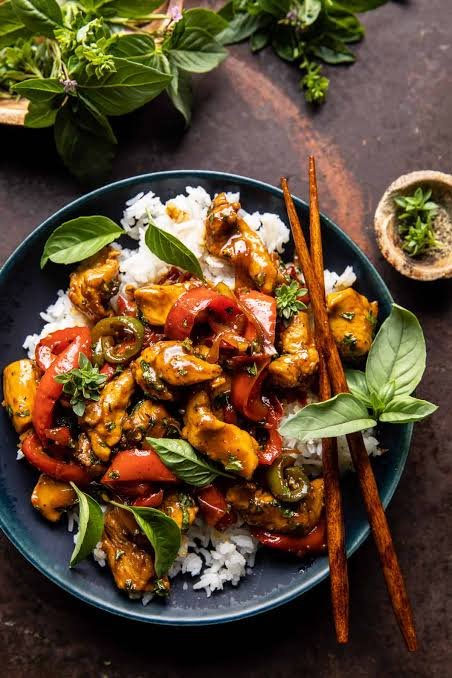
Why You Need This Chicken Stir Fry Recipe
Making a chicken stir fry at home is easier than you think. The best part is that it is incredibly flexible. You can use whatever vegetables you have in your fridge. It is a perfect solution for using up leftovers or clearing out the produce drawer.
This dish comes together in under 30 minutes. You will have a hot, delicious meal on the table without spending hours in the kitchen. The sauce is the secret weapon here. It balances salty, sweet, and savory flavors perfectly. Every bite is packed with texture and taste.
Essential Ingredients for Chicken Stir Fry
To make a truly great chicken stir fry, you need fresh ingredients. The quality of your components makes all the difference. Keep your pantry stocked with the basics so you can whip this up anytime.
The Protein: Chicken Thighs or Breast
You can use chicken breast for a leaner option or chicken thighs for more flavor and moisture. Thinly sliced thighs are my personal favorite. They stay tender even when cooked over high heat.
What you need:
- 1 lb (450g) boneless, skinless chicken
- 1 tablespoon cornstarch
- Salt and pepper to taste
Cut the chicken into bite-sized pieces. Toss them with cornstarch, salt, and pepper. This step is crucial. The cornstarch creates a light crust that locks in juices. It also helps the sauce cling to the meat later.
The Vegetables: A Rainbow of Crunch
The beauty of a chicken stir fry is its versatility. You can choose almost any vegetable you like. Aim for a mix of colors and textures.
Best vegetables to use:
- Bell peppers (red, yellow, or orange)
- Broccoli florets
- Carrots (sliced thinly or julienned)
- Snap peas or snow peas
- Mushrooms
- Green onions
- Baby corn
Chop your veggies into similar sizes. This ensures they cook evenly. You want them tender-crisp, not mushy. If you use harder vegetables like carrots or broccoli, you might need to blanch them first or add them to the pan earlier.
The Sauce: The Heart of the Dish
The sauce ties everything together. It should be rich, glossy, and full of umami. You can make this from scratch in seconds.
Ingredients for the stir fry sauce:
- 1/3 cup soy sauce (or coconut aminos for gluten-free)
- 2 tablespoons oyster sauce (optional, but highly recommended for depth)
- 1 tablespoon sesame oil
- 1 tablespoon brown sugar or honey
- 1 teaspoon minced fresh garlic
- 1 teaspoon minced fresh ginger
- 1/2 cup chicken broth
- 1 tablespoon cornstarch mixed with 2 tablespoons water
- Fresh black pepper and red pepper flakes (optional for heat)
Mix all sauce ingredients in a small bowl before you start cooking. This saves you from scrambling during the high-heat phase.
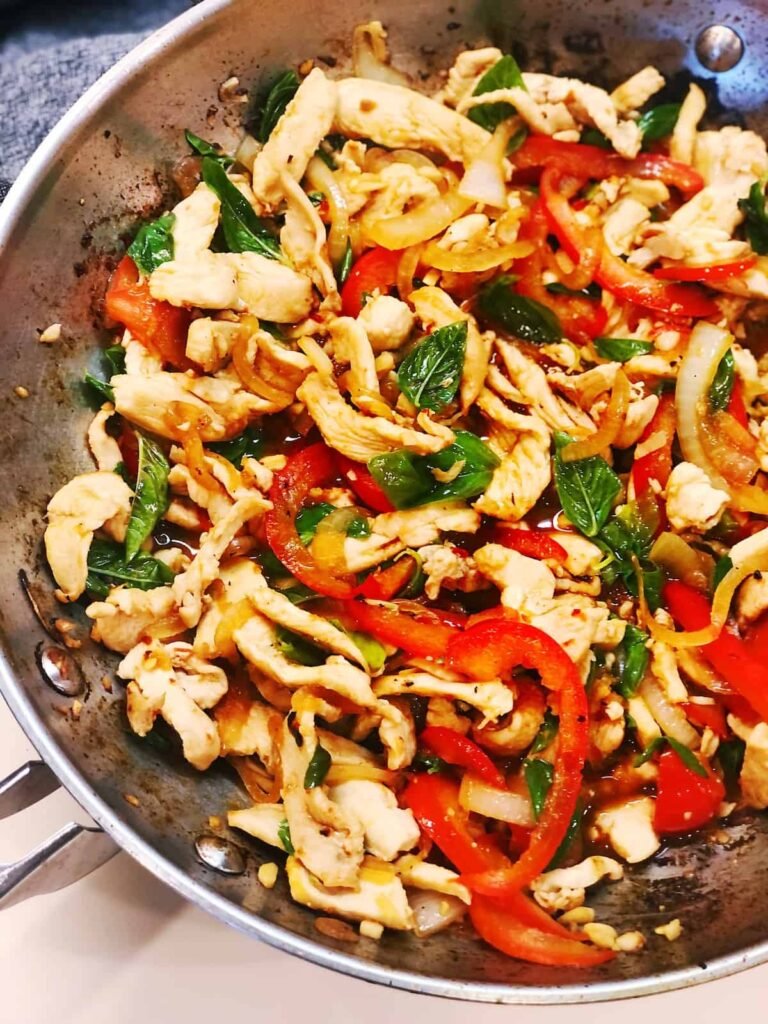
Step-by-Step Cooking Instructions
Follow these steps for a perfect chicken stir fry every time. Patience and high heat are your best friends here.
Step 1: Prep Everything
Before you turn on the stove, get your station ready. This is called mise en place. Have your chicken, veggies, and sauce all prepped and within arm’s reach. Cooking happens fast, so you cannot waste time chopping while the pan is hot.
Step 2: Cook the Chicken
Heat a large wok or skillet over medium-high heat. Add a tablespoon of neutral oil like vegetable or avocado oil. Once the oil shimmers, add the chicken in a single layer. Do not crowd the pan. If your pan is small, cook in batches.
Let the chicken sear for 2 minutes without moving it. This creates a nice brown color. Flip the pieces and cook for another 2-3 minutes until golden and cooked through. Remove the chicken from the pan and set it aside on a plate.
Step 3: Sauté the Aromatics
In the same pan, add a splash more oil if needed. Toss in your garlic and ginger. Stir-fry them for about 30 seconds until fragrant. Be careful not to burn them. Burnt garlic tastes bitter.
Step 4: Add the Hard Vegetables
Add the harder vegetables first. Things like carrots, broccoli, and cauliflower take longer to cook. Stir-fry them for 3-4 minutes. You want them to start softening but still have a snap.
Step 5: Add Soft Vegetables
Now add the softer veggies. Bell peppers, snap peas, and mushrooms cook quickly. Add them and stir-fry for another 2-3 minutes. You want the vegetables to be tender-crisp.
Step 6: Combine and Sauce
Return the cooked chicken to the pan. Give your sauce a quick stir and pour it over the chicken and vegetables. The sauce will bubble and thicken almost immediately. Stir everything together for 1-2 minutes until the sauce coats every piece.
Step 7: Serve and Enjoy
Turn off the heat. Garnish with sliced green onions and a sprinkle of sesame seeds. Serve immediately over steamed rice or noodles.
Cooking Tips for the Best Results
Getting that restaurant-quality chicken stir fry at home requires a few tricks. High heat is non-negotiable. You need a wok or a large skillet with high sides.
Don’t Overcrowd the Pan
If you put too much food in the pan, the temperature drops. The food will steam instead of fry. This leads to soggy vegetables and tough chicken. Cook in batches if necessary.
Slice Uniformly
Cut your chicken and vegetables into uniform sizes. This ensures even cooking. If some pieces are large and others small, you will end up with overcooked small pieces and undercooked large ones.
Use Fresh Ginger and Garlic
Powdered ginger and garlic lack the bright, fresh punch needed for this dish. Grate fresh ginger and mince fresh garlic for the best flavor profile.
Cornstarch is Key
The cornstarch in your chicken marinade and your sauce is vital. It creates a velvety texture and helps the sauce cling to the ingredients. Without it, you will end up with a watery dish.
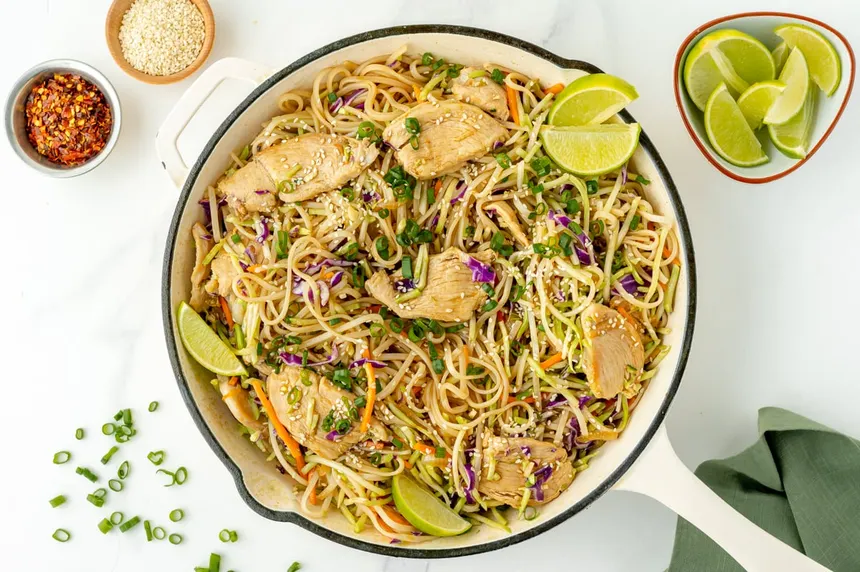
Nutritional Value and Dietary Info
This chicken stir fry is a balanced meal. It provides lean protein, fiber-rich vegetables, and healthy fats. It is much healthier than typical takeout options which often use excessive oil and sugar.
Nutritional Information (Per Serving, estimates based on 4 servings):
- Calories: 320 kcal
- Protein: 28g
- Carbohydrates: 24g
- Fat: 12g
- Fiber: 4g
- Sugar: 8g
- Sodium: 950mg
Note: Nutritional values may vary depending on the specific vegetables and brands of sauce used. Using low-sodium soy sauce will reduce the sodium content significantly.
This recipe is naturally gluten-free if you use tamari or coconut aminos instead of regular soy sauce. It is also dairy-free, making it suitable for many dietary restrictions.
Creative Variations to Try
Once you master the base recipe, you can mix and match to create endless versions. Here are some delicious chicken stir fry variations to try.
Spicy Chicken Stir Fry
For those who like heat, add a kick to your dish.
- Add 1-2 chopped Thai bird chilies or red pepper flakes when sautéing the garlic.
- Use Sriracha or chili garlic sauce in your sauce mixture.
- Top with fresh cilantro and a squeeze of lime juice.
Peanut Chicken Stir Fry
Creamy and nutty, this variation is a crowd-pleaser.
- Replace half of the soy sauce with creamy peanut butter.
- Add a splash of coconut milk to the sauce for richness.
- Garnish with crushed roasted peanuts and lime wedges.
Vegetarian Chicken Stir Fry
Skip the meat and go plant-based.
- Substitute the chicken with firm tofu, tempeh, or seitan.
- Press tofu beforehand to remove excess water for better texture.
- Use vegetable broth instead of chicken broth.
Pineapple Chicken Stir Fry
A tropical twist on a classic.
- Add fresh pineapple chunks during the last minute of cooking.
- Add a splash of mango chutney to the sauce for sweetness.
- Garnish with toasted coconut flakes.
Teriyaki Chicken Stir Fry
Lean into the sweet and savory teriyaki flavor.
- Substitute the soy sauce and oyster sauce with bottled teriyaki sauce.
- Add diced onions and red bell peppers.
- Serve with grilled pineapple slices on the side.
Serving Suggestions and Side Dishes
While the chicken stir fry is a complete meal on its own, it pairs beautifully with several sides. The right side dish can elevate the experience further.
Rice Options
- Steamed White Rice: A classic choice that lets the sauce shine.
- Jasmine Rice: Adds a fragrant, floral aroma.
- Brown Rice: Offers a nuttier flavor and extra fiber.
- Fried Rice: For a heartier meal, serve the stir fry over leftover fried rice.
Noodle Options
- Rice Noodles: Light and soft, absorbing the sauce well.
- Udon Noodles: Thick and chewy for a satisfying bite.
- Soba Noodles: Made from buckwheat for a healthier, nutty option.
- Egg Noodles: Rich and yellow, great for soaking up flavor.
Extra Sides
- Edamame: Sprinkle shelled edamame on top for extra protein.
- Asian Slaw: A crunchy cabbage slaw adds a nice contrast.
- Miso Soup: A light starter to warm you up.
- Cucumber Salad: Fresh and cooling to balance the savory flavors.
Common Mistakes to Avoid
Even with a simple recipe, small errors can ruin the dish. Avoid these common pitfalls.
Using cold ingredients: Cold chicken and vegetables lower the pan temperature. Keep your ingredients at room temperature before cooking.
Skipping the high heat: Low heat steams the food. You need a hot pan to get that signature “wok hei” flavor.
Overcooking the vegetables: Vegetables should be crisp-tender. If they are mushy, the texture is lost.
Adding the sauce too early: If you add the sauce before the vegetables are nearly done, it will boil off. Add it at the very end to glaze everything.
Ignoring the cornstarch slurry: If you don’t mix your cornstarch with water before adding it to the sauce, it will clump. Always mix it well first.
Storage and Reheating
Leftovers are a great feature of this chicken stir fry. It stores well and often tastes even better the next day as the flavors meld.
How to Store
Let the stir fry cool completely before storing. Place it in an airtight container in the refrigerator. It will stay fresh for up to 3-4 days. You can also freeze it for up to 3 months.
How to Reheat
Reheat in the microwave or on the stovetop.
- Microwave: Heat in 30-second intervals, stirring in between. Add a splash of water if it looks dry.
- Stovetop: Heat in a pan over medium heat. Add a little water or broth to loosen the sauce.
Avoid reheating multiple times. Only reheat the portion you plan to eat immediately.
The Verdict
Making a chicken stir fry is a skill that pays off every time you cook. It is fast, healthy, and endlessly customizable. Whether you are feeding a family of four or cooking for one, this recipe works.
Start with the basics and experiment with different veggies and sauces. You will find your own favorite combination. The next time you need a quick dinner, skip the takeout menu and fire up your wok. Your taste buds will thank you.
Final Thoughts
If you are meal prepping, this chicken stir fry is an excellent option. Cook a large batch on Sunday and portion it out for the week. It reheats quickly, making it perfect for busy workdays. Just be sure to store the rice or noodles separately if you want to maintain the best texture.
Remember, the goal is to eat well without spending hours in the kitchen. This dish proves that healthy eating can be delicious and convenient.
Grab your apron and get cooking today.
Leave a Reply