
Prep Time: 20 minutes (plus 30 minutes marinating) Yield: 4 servings.
Cook Time: 15 minutes Difficulty: Easy
Total Time: 65 minutes.
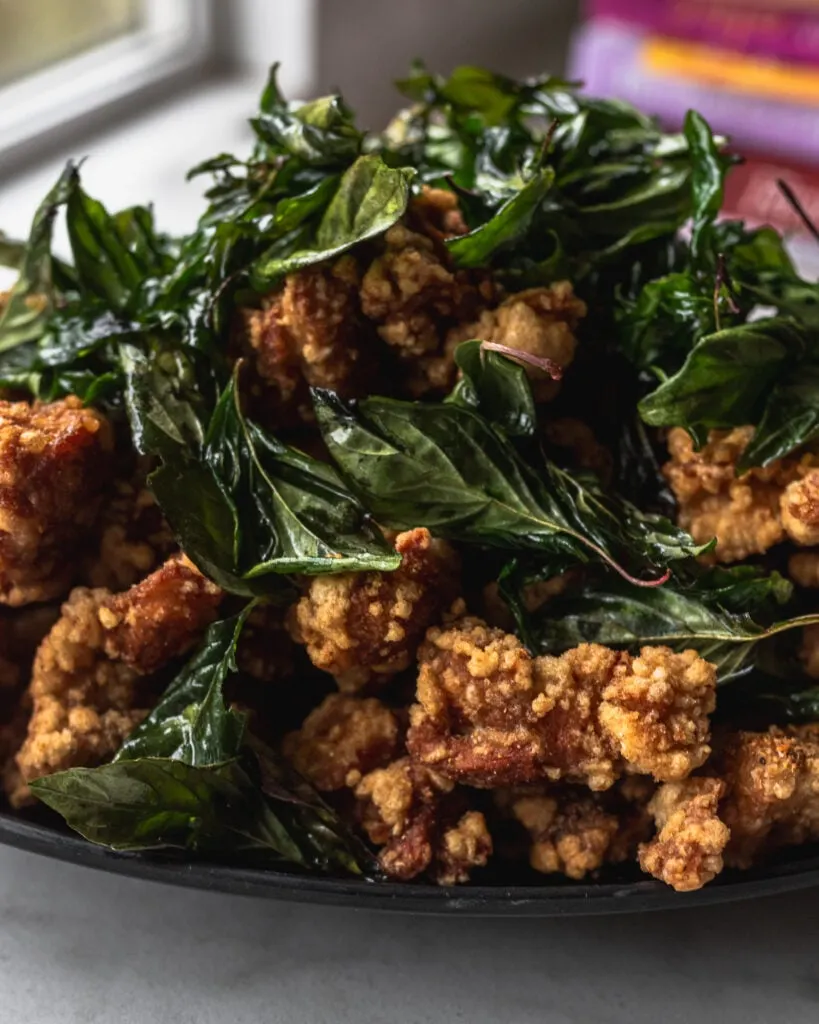
Taiwanese popcorn chicken is a street food legend. It is crunchy on the outside and tender on the inside. The flavor is savory and slightly sweet. Taiwanese popcorn chicken is very popular in night markets. It is also easy to make at home. You do not need a deep fryer. You can make it in your kitchen with a frying pan.
What Is Taiwanese Popcorn Chicken?
Taiwane popcorn chicken is small bites. The name comes from its size. It looks like popcorn, but it is chicken. The chicken is marinated first and then it is coated in starch. Finally, it is fried until golden.
Taiwanese style has unique traits. The coating is extra crispy and the marinade is flavorful. It often uses five-spice powder. Garlic is also important to use and the result is absolutely addictive.
This dish is a snack and it can also be eaten as a main course. Serve it with dipping sauces. It is perfect for parties. Both kids and adults love it. It is definitely a crowd-pleaser.
Why You Will Love This Recipe
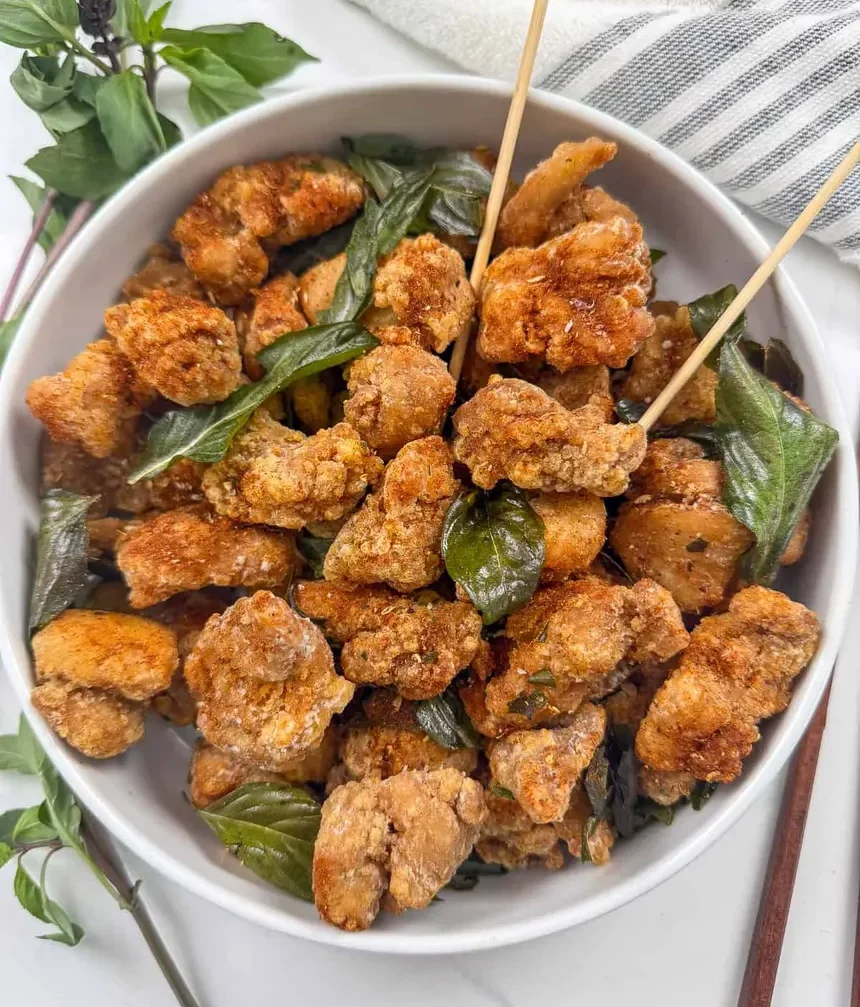
Making Taiwanese popcorn chicken at home is fun and definitely better than takeout. You can change the ingredients and choose fresh chicken. Adjust the spice level according your taste. It is healthier than restaurant versions. Especially if you air fry it.
The recipe is simple and you only need a few ingredients. Most are pantry staples and the steps are easy to follow. Even beginners will get a good result the first time. At the end, you will also get restaurant quality, but homemade. Your friends will be impressed with the tast and ask for more.
Ingredients for Taiwanese Popcorn Chicken
For the Chicken (Marinade)
- 1.5 lbs (700 grams): Boneless, skinless chicken thighs or breasts. Cut into 1-inch cubes. Thighs are juicier; breasts are leaner.
- 2 tablespoons: Light soy sauce. Provides salty umami flavor.
- 1 teaspoon: Toasted sesame oil. Adds a nutty aroma.
- 3 cloves: Fresh garlic. Finely minced.
- 1 tablespoon: Fresh ginger. Finely grated.
- 1 teaspoon: Five-spice powder. The signature Taiwanese flavor.
- 1 tablespoon: Shaoxing wine. Removes gaminess. Use dry sherry as a substitute.
- ½ teaspoon: White pepper. Provides mild, earthy heat.
- ½ teaspoon: Salt. Adjust to taste.
- 1 tablespoon: Cornstarch. Helps seal moisture in the meat.
For the Coating (Dry Mix)
- ½ cup (60 grams): Cornstarch. The primary ingredient for crunch.
- ¼ cup (30 grams): All-purpose flour. Adds structure to the crust.
- ½ teaspoon: Baking powder. Creates a lighter, airier texture.
- 1 teaspoon: Salt. Season the coating directly.
- ¼ teaspoon: White pepper. Adds mild spice.
- ½ teaspoon: Five-spice powder. Enhances the savory profile.
For Frying
- 4-6 cups (1 liter): Vegetable or canola oil. Enough for deep frying. The chicken should float freely.
- Alternative: Peanut oil. It has a nutty flavor and high smoke point.
For Dipping Sauces (Optional)
Sweet and Sour Sauce:
- ½ cup: Ketchup.
- 2 tablespoons: White vinegar.
- 3 tablespoons: Sugar.
- 1 teaspoon: Cornstarch mixed with 2 tablespoons water.
- ¼ teaspoon: Salt.
Spicy Mayo:
- ¼ cup: Mayonnaise.
- 1-2 tablespoons: Sriracha sauce. Adjust for heat.
- 1 teaspoon: Lime juice.
For the Glaze (Optional)
Many serve this dry, but adding a glaze is popular too. Try a sweet and sour glaze, or a spicy mayo.
Step-by-Step Cooking Instructions
Follow these steps carefully. Precision matters.
Step 1: Prepare the Chicken
Cut the chicken into 1-inch cubes. Do not make them too small. They will shrink slightly. Pat them dry with paper towels. Moisture is the enemy of crispiness. Remove excess water.
Step 2: Marinate the Chicken
In a bowl, mix soy sauce, sesame oil, garlic, ginger, five-spice powder, and white pepper. Add the chicken pieces. Toss to coat evenly. Cover the bowl. Refrigerate for at least 30 minutes. Overnight is best. The flavors need time to penetrate.
Step 3: Prepare the Coating
In a separate bag or bowl, mix cornstarch, flour, baking powder, salt, and pepper. The ratio should be roughly 2:1. More cornstarch means crunchier results. Whisk the dry ingredients well. No lumps should remain.
Step 4: Coat the Chicken
Remove chicken from the marinade. Shake off excess liquid. Dredge each piece in the coating. Press the starch onto the meat. Ensure full coverage. Shake off any loose powder. Place coated pieces on a rack. Let them rest for 5 minutes. This helps the coating adhere.
Step 5: Heat the Oil
Pour oil into a heavy pot. Fill it halfway. Heat to 350°F (175°C). Use a thermometer. If you do not have one, test with a wooden chopstick. Bubbles should form around it. Correct temperature is vital. Too hot burns the coating. Too low makes it greasy.
Step 6: Fry the Chicken
Fry in batches. Do not overcrowd the pot. Overcrowding lowers the oil temperature. Add a few pieces at a time. Fry for 3-4 minutes. Flip them halfway. Cook until golden brown. The chicken should float. Remove with a slotted spoon. Drain on a wire rack. Do not use paper towels. They trap steam. Steam makes the coating soggy.
Step 7: Double Fry (Optional but Recommended)
For extra crunch, double fry. Increase oil to 375°F (190°C). Fry the chicken again for 1 minute. This seals the crust. It keeps the inside juicy. This step is professional grade.
Step 8: Serve Immediately
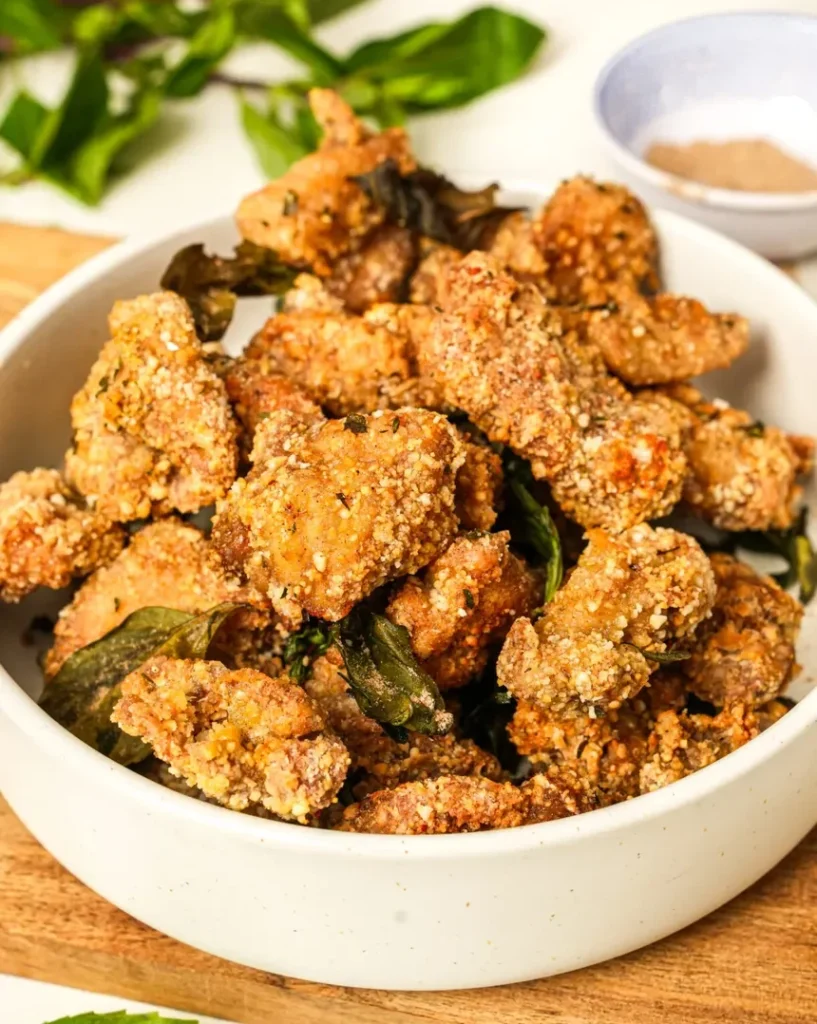
Taiwanese popcorn chicken is best served hot, right after frying. Garnish it with sesame seeds, chopped green onions and add a squeeze of lime. Enjoy while it is crispy.
Nutritional Value
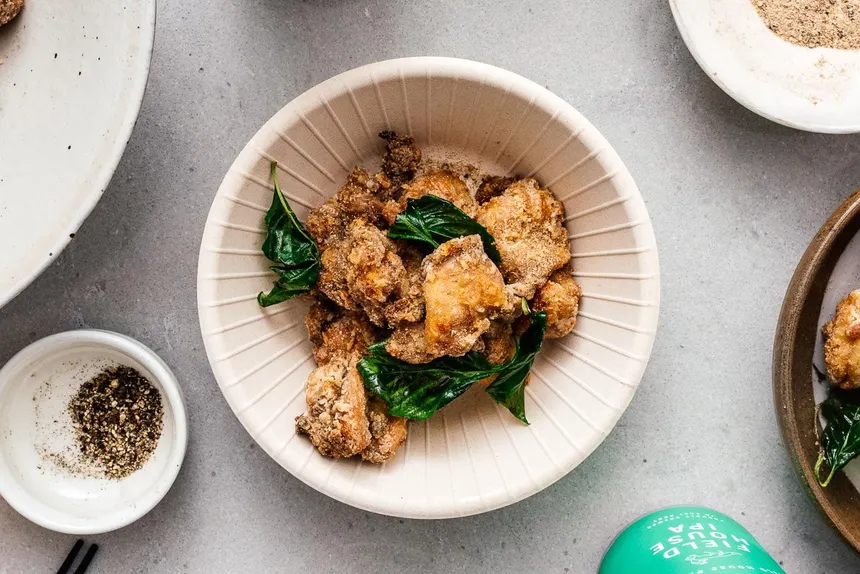
Understanding nutrition helps balance your diet. Here is an estimate per serving.
- Calories: Approximately 350 kcal per serving.
- Protein: 25 grams. Chicken is a good protein source.
- Carbohydrates: 20 grams. Mostly from the coating.
- Fat: 18 grams. Depends on oil absorption.
- Sodium: Varies based on soy sauce. Use low-sodium soy sauce to reduce salt.
To make it healthier, bake or air-fry or simply use less oil. Serve with vegetables. This balances the meal.
Variations to Customize Your Popcorn Chicken
You can tweak this recipe. Make it your own.
Spicy Sichuan Style
Add chili flakes to the coating. Mix Sichuan peppercorn powder into the marinade. This creates a numbing heat. It is authentic to Sichuan influence in Taiwan.
Cheese Stuffed
Cut a small cube of mozzarella. Place it inside a chicken piece. Seal it well. Fry as usual. The cheese will melt inside. It is a delicious surprise.
Buffalo Wing Style
Toss the fried chicken in buffalo sauce. Mix hot sauce with melted butter. Add a dash of garlic powder. Serve with blue cheese dip. This fusion is trendy.
Veggie Alternative
Use cauliflower florets. Marinate them similarly. Coat with the same starch mix. Fry until crispy. It is a great vegan option. Many people love this version.
Glazed Teriyaki
Brush the fried chicken with teriyaki sauce. Mix soy sauce, mirin, and sugar. Heat until thick. Toss the chicken in the glaze. It is sweet and savory.
Tips for the Crispiest Result
Crispiness is the goal. Follow these tips.
- Dry Chicken: Always pat chicken dry. Water prevents browning.
- Cold Oil: Start with hot oil. Maintain the temperature.
- Cornstarch Ratio: More cornstarch equals more crunch.
- Resting Coating: Let coated chicken rest. This creates a crust.
- Wire Rack: Drain on a rack. Keep air circulating.
- Double Fry: Fry twice for maximum crunch.
- Season Immediately: Salt after frying. Salt draws moisture.
Common Mistakes to Avoid
Avoid these errors. They ruin the dish.
- Overcrowding the Pan: This drops oil temperature. The chicken becomes greasy.
- Wrong Oil: Use high smoke point oil. Olive oil burns easily.
- Skipping the Marinade: Flavor comes from the marinade. Do not skip it.
- Undercooking: Ensure internal temperature is 165°F (74°C). Use a meat thermometer.
- Using Breading: Do not use breadcrumbs. They change the texture. Stick to starch.
Serving Suggestions
Popcorn chicken stands alone. But sides enhance it.
- Dipping Sauces: Sweet and sour sauce. Spicy mayo. Garlic aioli. Honey mustard.
- Vegetables: Steamed broccoli. Stir-fried bok choy. Cucumber salad.
- Rice: Fried rice pairs well. It makes it a full meal.
- Beer: Cold beer complements the saltiness. It is a popular pairing.
Storage and Reheating
Leftovers happen. Store them properly.
Refrigeration: Store in an airtight container. Keep for up to 3 days.
Freezing: Freeze uncooked coated chicken. Place on a tray. Freeze solid. Then bag them. Cook from frozen. Add 2 minutes to fry time.
Reheating: Do not use a microwave. It makes the coating soggy. Use an oven or air fryer. Heat at 400°F (200°C). Cook for 5-7 minutes. This restores crunch.
The History of Taiwanese Street Food
Taiwanese night markets are famous. They offer diverse food. Popcorn chicken is a staple. It originated in the 1980s. Street vendors created it. They needed quick, cheap food. Chicken was affordable. Starch was cheap. The result was genius.
Today, it is exported globally. Restaurants serve it worldwide. The recipe has evolved. But the core remains. Crispy, savory, small bites. It represents Taiwanese innovation. It is a symbol of street food culture.
Conclusion
Taiwanese popcorn chicken is a delight. It is simple to make and It tastes incredible. Follow this recipe. Experiment with variations. Share it with friends. It is more than food. It is a cultural experience. Enjoy the crunch. Enjoy the flavor. Start cooking today.
Your kitchen can be a night market. The smell of the Taiwanese popcorn chicken will fill the kitchen. The taste will bring back memories. You do not need to travel or be in Taiwan to experience this Taiwanese popcorn chicken. Its ready in minutes to enjoy in the comfort of your own home.
Master the technique and create your own version.
Happy cooking!